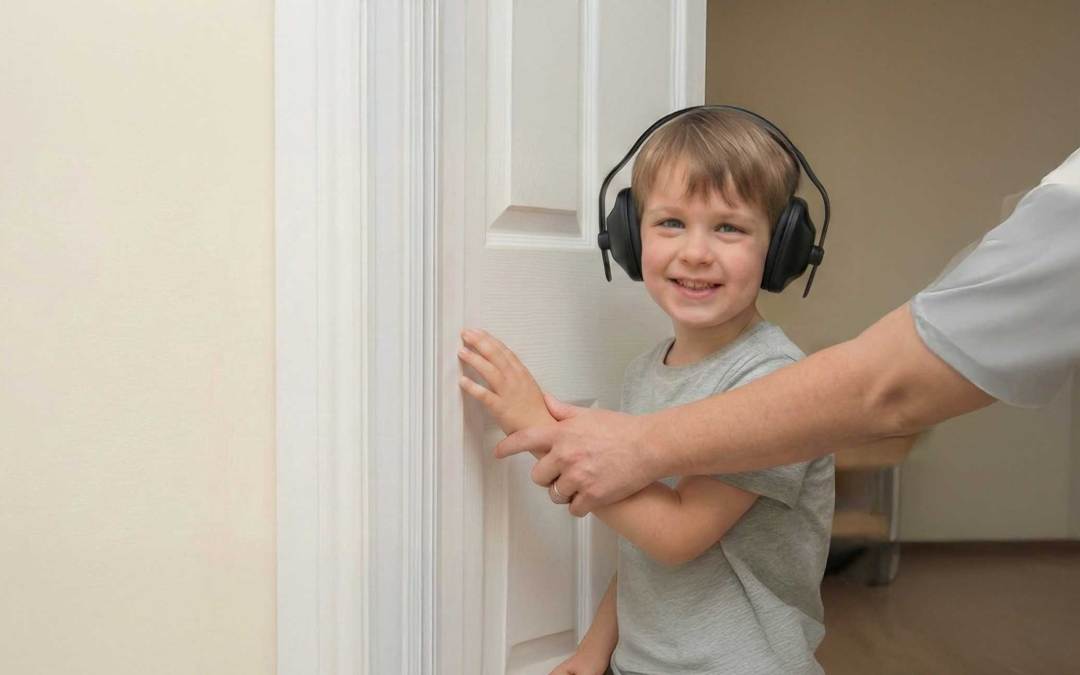
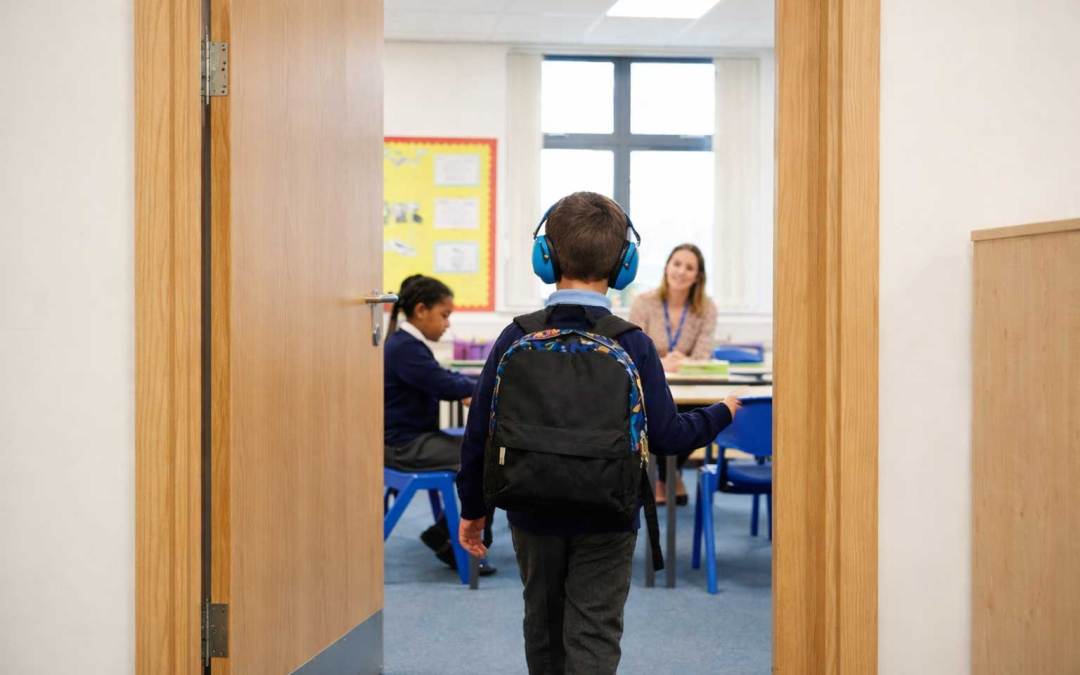
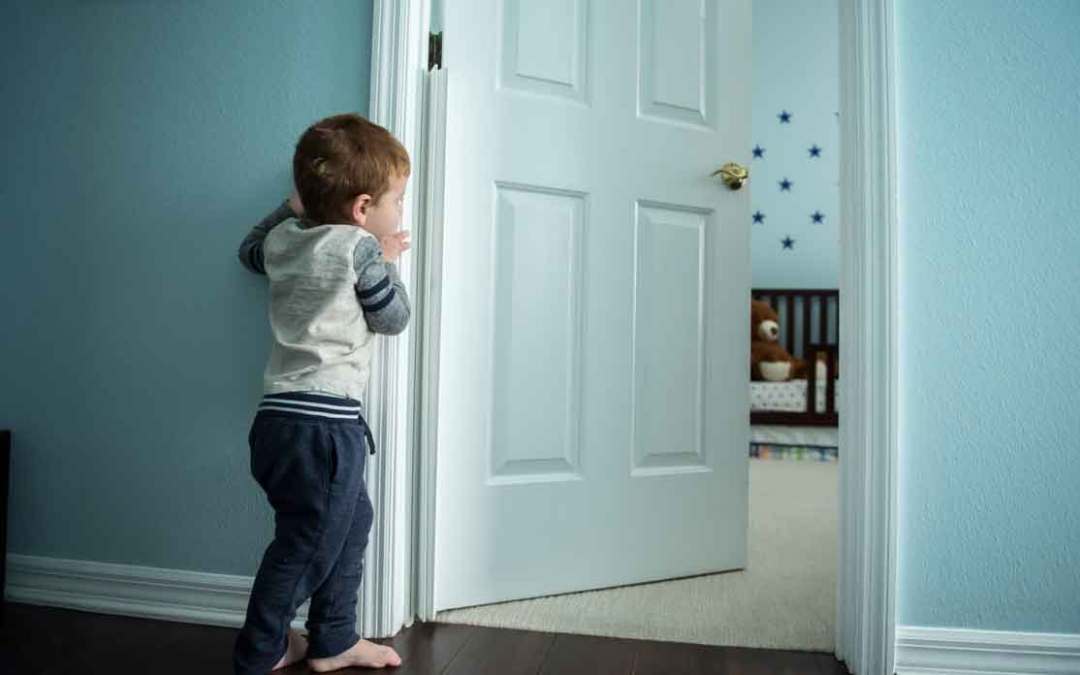
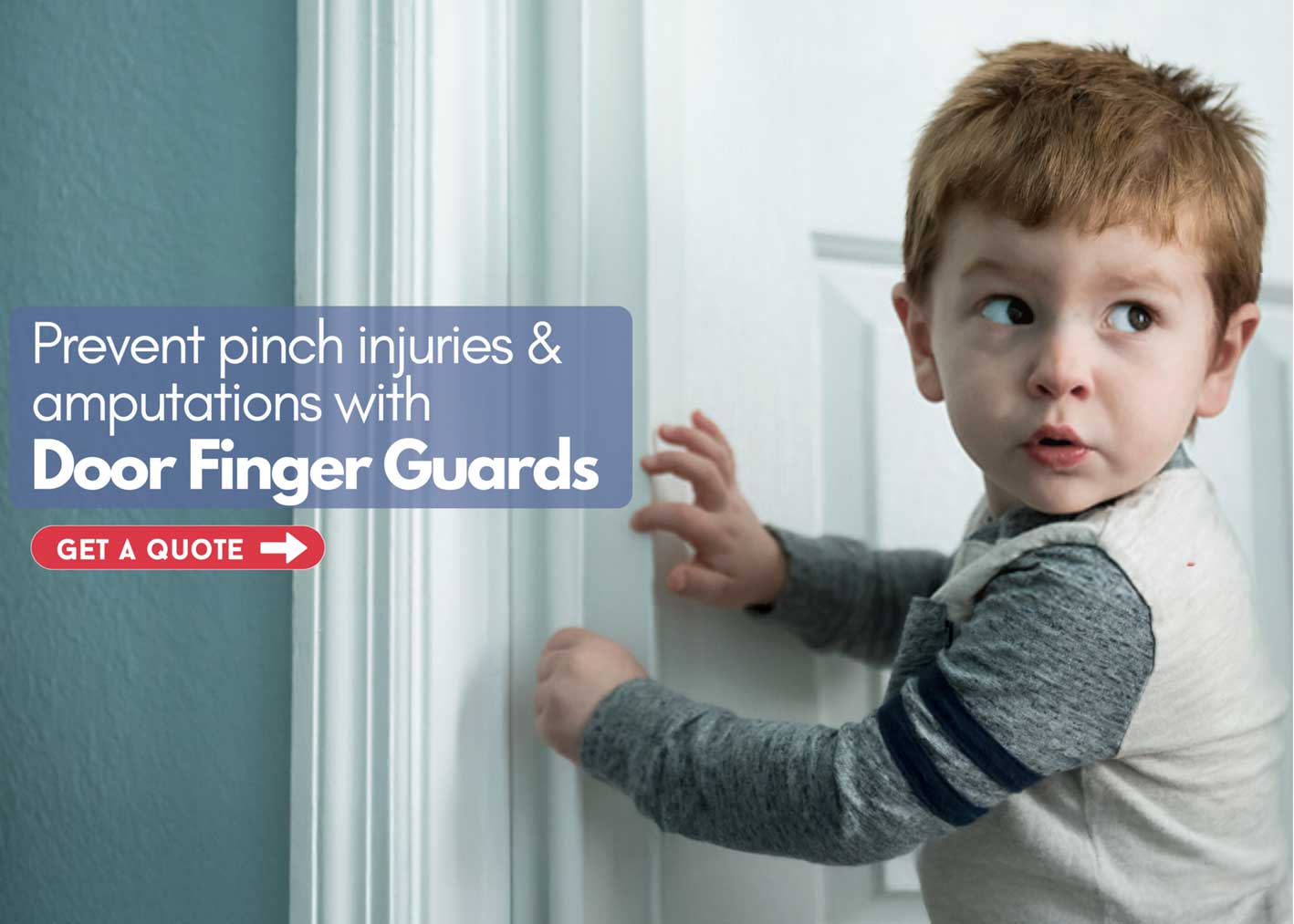
Door safety for autistic children is strongly recommended, given that they are at a higher risk of injury from doors than neurotypical children.
Doors are an overlooked danger in general, with an average of 130,000 children sent to the emergency room every year in the U.S. for door-related injuries. And 25% of child hand trauma comes from them, too.
We don’t believe it’s always the child’s fault. Instead, we see this as fundamental design flaw that doesn’t accommodate autistic children.
Thankfully, steps can be taken to safeguard your doors for autistic children, relieving you from the constant anxiety of door accidents and keeping those little fingers safe.
Key Takeaways From This Guide:
TL;DR? Here’s a quick breakdown of what you’ll learn in this article:
- Doors pose unique risks for autistic children due to sensory and proprioceptive needs.
- Hinge-side finger injuries are the most common and severe.
- Passive safety solutions reduce injury without restricting independence.
- Homes and schools should invest in door and toe guards, as well as soft closing door mechanisms.
- Schools and commercial properties require licensed finger guards, not home versions.
Understanding Neurodiverse Interactions with Doors
For most people, a door is simple. It opens and closes, and you don’t ever put your finger on the hinge because it’s dangerous to do so.
When it comes to door safety for autistic children, however, doors can be curious, confusing, noisy, or unpredictable. This is not “misbehavior” and is developmentally valid.
Firstly, there is curiosity. Autistic children can seek sensory input via proprioceptive processing.
This is a way of understanding the world through touch. Touch can help a child feel grounded, calm, or more aware of their body. As a result, they crave sensory input and may put their fingers in unsafe spaces.
Autistic children also experience sensory differences when environmental changes occur. So, when a door moves, it can cause an abrupt shift in light, sound, and space. For many autistic children, this can cause a sensory overload.
This can add further anxiety if they have experienced injury before from a door hinge or even been warned about the dangers, they may not fully understand. Doors may suddenly seem hard to navigate and unsafe (especially when you add in slamming and echoing hallways). In these cases, autistic children may stop at doorways or refuse to enter.
Every child is different, but the stress remains the same.
Luckily, these solutions can reduce the anxiety for all involved:
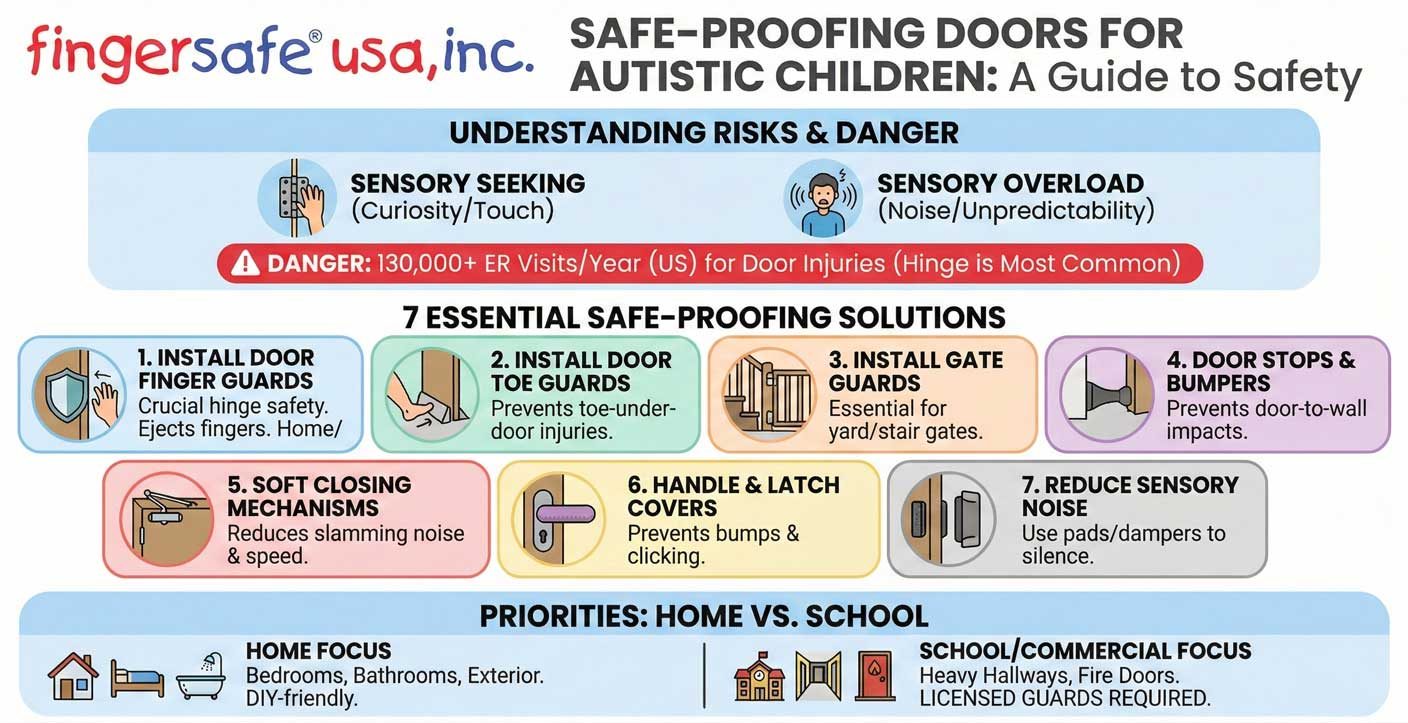
7 Ways to Safe-Proof Your Doors for Autistic Children
1. Install Door Finger Guards
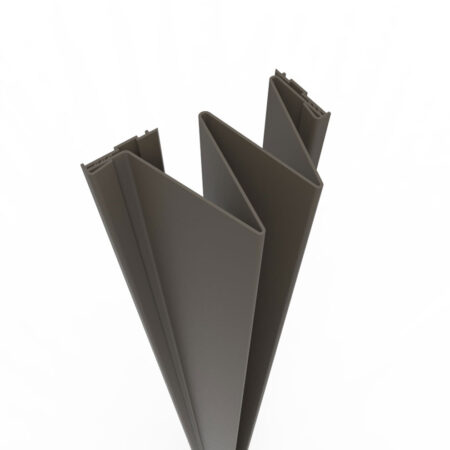
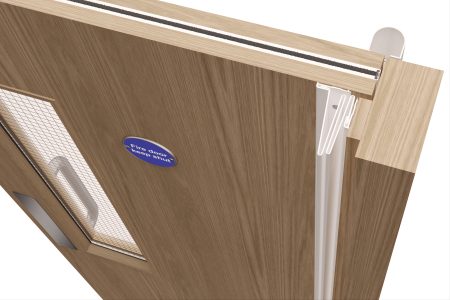
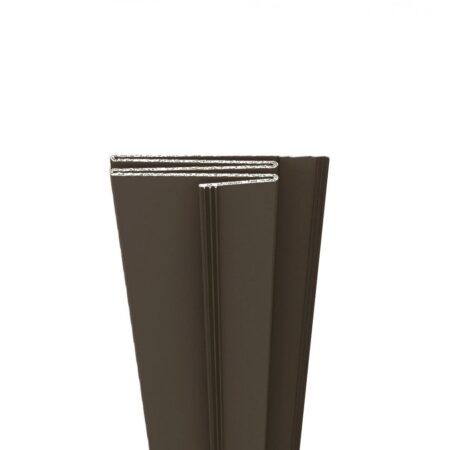
The biggest danger in a door is its hinge. The gap that is created and quickly closed is a severe threat to any little fingers. It’s enough to make you wince just thinking about it. We’ll spare you the details of any injuries.
The solution to that threat is a door finger guard.
There are many knock-off products out there that are highly impractical. But, with a reputable producer such as FingerSafe, you can get a design that doesn’t affect door use but still protects autistic children.
FingerSafe-HOME is our recommendation. You can protect both the pull side and push side of the door, and it actually pushes the finger away before any injury can occur.
If you’re the owner of a commercial property or school, you’ll need a finger guard that conforms to building regulations with our Commercial Finger Guard.
2. Install Door Toe Guards
Little toes are also at risk. Toe injuries can happen very easily, with the little toes getting caught under an open door.
Created by customer requests, a door toe guard is our recommendation for home doors, locker room doors, and even exterior doors. Its clever design prevents children from getting their toes under the door, pushing them away during door movement.
3. Install Gate Guards
Like doors, gates have hinges too. From yard gates to stair gates, they can pose a nasty threat (especially when made of a strong metal).
Like our door guards, a gate finger guard ejects the finger during movement, preventing any chance of injury.
4. Install Door Stops Between the Door and Wall
A door stop or door bumper can be installed on a wall or between the wall and door to prevent autistic children from getting hit between the two. While this is not the most common cause of injury, it’s another option to prevent it if an adjacent wall is close by.
5. Soft Closing Door Mechanisms
If you have a particularly heavy door or one that is prone to being slammed shut, you’ll need to reduce the speed of its movement. You can do this with a soft closing door mechanism.
While this won’t remove the risk of the hinge (for which you should get a finger guard), it will remove that opening risk.
There are many soft closing door mechanisms available, which can be installed DIY fairly easily.
6. Install Door Handle and Latch Cover
Autistic children may also be drawn to the sensory output of door handles and latches, especially with their varied textures, movement, and repetition.
Door handle covers can prevent children from hitting their heads on them, while door latch covers can prevent fingers from getting caught in the mechanisms. They also reduce clicking or slamming behaviors, which can reduce sensory overload risk.
7. Reduce Sensory Shock From Door Noise
Sudden noise can be distressing or dysregulating. If you’ve got loud, squeaky, or slamming doors, then consider felt pads or soft dampers.
Finger guards and soft-close mechanisms will also help reduce noise.
Home vs. School Door Safety for Autistic Children
Every door can pose a risk to an autistic child, but some more so than others. We recommend prioritizing the following, depending on your location:
In the Home
- Bedrooms, bathrooms, and exterior doors are the most used by kids.
- Door finger guards for autistic children can retain independence while increasing safety.
- Gate guards can be useful on stair gates and yard gates.
- We recommend door toe guards on heavy doors, such as front and exterior doors.

In Schools and Commercial Settings
- Schools tend to have heavier doors, which significantly increase the risk of serious finger injury.
- We recommend prioritizing hallways, fire doors, exterior doors, locker room doors, and any heavy doors.
- Consider doors with high traffic and shared responsibility too (even if they’re not heavy doors), as these can be sensory-overwhelming areas, which are prone to all children getting into natural positions around.
- Ensure compliance and durability by getting commercial licensed products, such as our commercial door guards.
FAQs on Door Safety for Autistic Children:
Why are door hinges dangerous for autistic children?
Autistic children often have sensory curiosity and proprioceptive seeking, and may find it difficult to predict the fast-moving nature of a hinge.
What is the safest way to prevent finger injuries from doors?
Door finger guards gently redirect fingers away from the hinge area, working automatically so there is no need to pressure or rely on verbal reminders.
Are door finger guards safe for everyday use?
Yes, our products do not interfere with the normal door use. They provide long-term protection without interfering with independence.
Are finger guards required in schools or commercial buildings?
Requirements will vary with location, but many schools and commercial properties are encouraged to do so. We recommend our legally compliant commercial finger guards.
Safe-Proof Your Doors with FingerSafe
If you’re looking to safe-proof your doors to protect autistic children, we welcome you to browse our collection of products or contact us if you have any questions or would like a quote.
Shipping worldwide, FingerSafe® USA, Inc. is the founder and leader of the original finger pinch guards for door hinges. We provide peace of mind for you, your children, and other parents so that your doors will never crush any fingers. Installing a door finger guard is a simple process. No expertise is required.
Don’t leave it to chance.