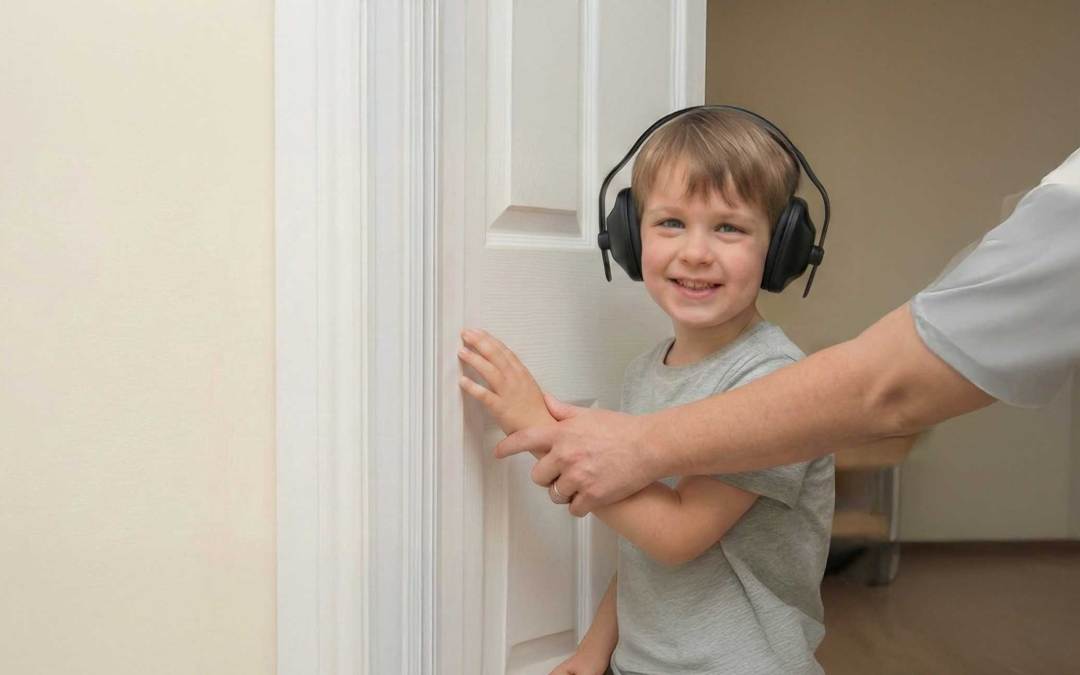
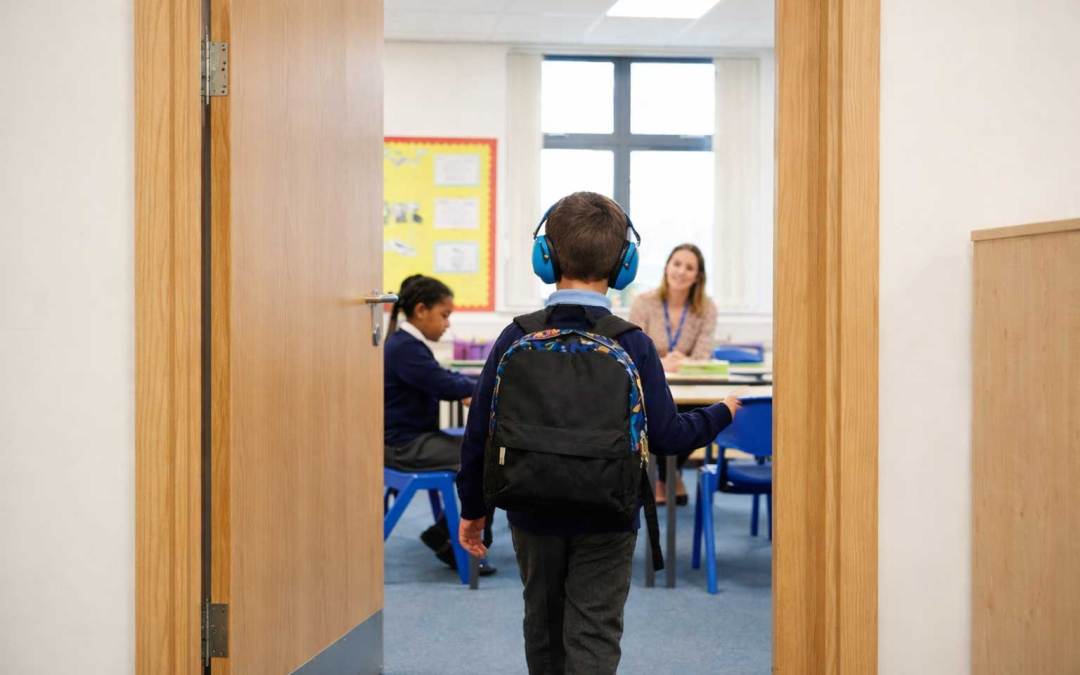
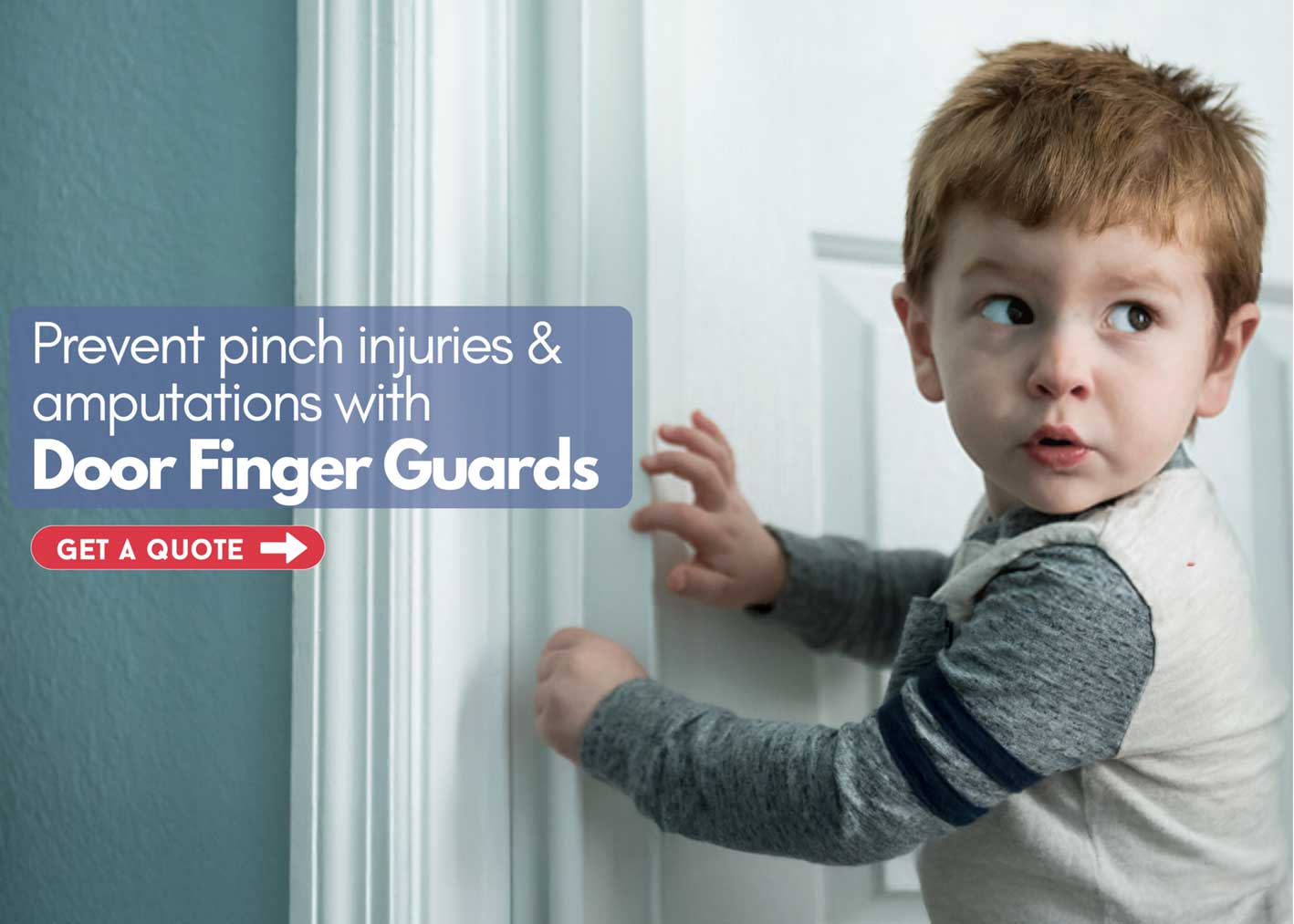
Teachers who are stressed about their students putting their fingers in the door hinges may be especially concerned about neurodiverse and autistic children. Door finger guards for neurodivergent children are a simple, passive way for schools to reduce the risk of serious finger injuries—without relying on constant supervision or verbal reminders.
In many cases, neurodivergent students may struggle with verbal instructions. Data even shows that in children with autism, there is an estimated 42% prevalence of self-injurious behavior.
Instead of blaming the children or teachers for accidents, we believe risk can be best reduced in an environment adapted to protect neurodivergent children (such as with door finger guards).
In this article, we’ll explore just how dangerous the door hinges really are and how you can take steps to passively protect all your students without singling neurodivergent kids out:
How Common Are Door-Related Finger Injuries in School Children?

For most schools, one of the biggest risks for injury is door hinges.
Around 380,000 door-related injuries occur in the U.S. every year! And the national U.S. emergency department even reported that there is an average of one door-related child injury every 4 minutes. door finger guards for neurodivergent children door finger guards for neurodivergent children
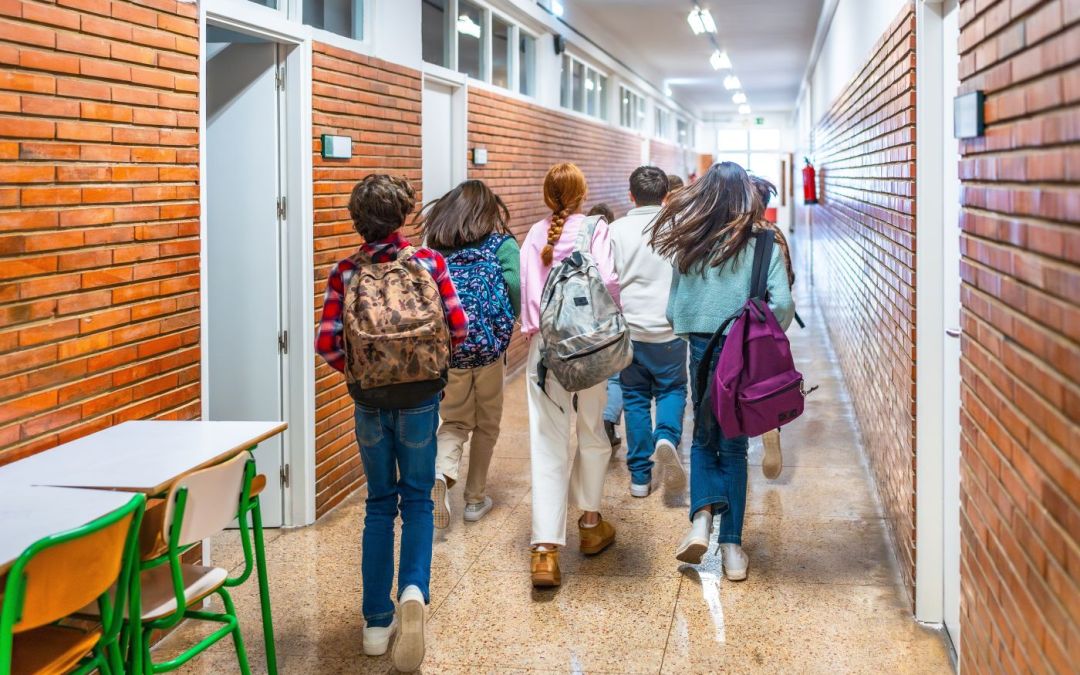
For anyone working in a school, that likely isn’t a huge surprise. Schools often include heavy internal fire doors and self-closing mechanisms that are prone to busy moments, such as class changes, frantic children, and crowded doorways.
The most common injury is caused by a “pinch in the door” (54.8%). And sadly, the most frequent result of that is an amputation (32%) or laceration (25.2%).
- Doors slamming during transitions between classes
- Heavy fire doors are closing automatically
- Children exploring hinge gaps out of curiosity
- Staff managing multiple children at once
- Sensory overload leading to sudden movements
The Increased Risk of Door Finger Injuries in Neurodivergent Children
It’s Not The Kids’ Fault.
Sadly, neurodivergent children are those most at risk.
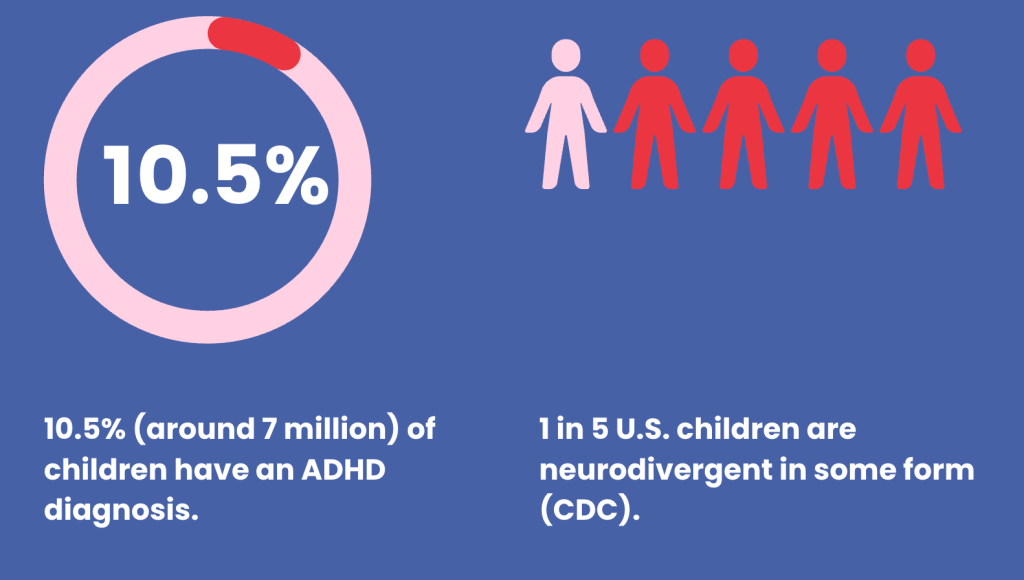
Studies show that those with autism or ADHD have a higher overall emergency-department visit rate than those without.
This is likely because neurodivergent and autistic children experience and interact with their surroundings in ways that can differ significantly from neurotypical peers. These differences are not problems to be corrected, but do influence how children engage with everyday features of the school environment (like doors).
And It’s Not The Teachers’ Fault.
There are many examples of this; many children with autism or ADHD display sensory-seeking or sensory-avoidant behaviors. In moments of sensor overload (such as during busy corridors), they’re likely to move quickly and unpredictably, and become unaware of the risks of a closing door.
Some neurodivergent children may also experience difficulty anticipating cause and effect, especially with moving doors. Door hinges, for example, rapidly move out of view, which can trigger exploration and, sadly, disaster.
Those educating or familiar with neurodivergent children will know that isn’t something you can just warn off. Verbal safety instructions can become extremely difficult to put into practice.
Of course, all these factors don’t make doors dangerous by themselves. But they can increase risk in schools where door safety isn’t factored in.
Why Door Finger Guards Are a Solution for Protecting Neurodivergent Children
We believe the most effective safety measures are the ones children never have to think about. Adapting the school environment to protect neurodivergent children is an essential starting point.
Door finger guards for neurodivergent children are a simple solution. They don’t single anyone out. Instead, protecting all children and removing the door finger hazard.
They are also passive safety measures that always work, with no training or input required from already very busy teaching staff.
So, when a curious child starts putting their fingers in places they shouldn’t, there is a backup to prevent lacerations and amputations.
These are also low-cost reductions compared to injuries, paperwork, and frankly, traumatic moments that can occur in severe door slamming incidents.
Reducing Liability Concerns
There is also an administrative perspective that door-related injuries are costly.
As awareness around neurodiversity grows, so too does the expectation that schools proactively adapt their environments to protect kids from known risks like door hinges.
Any single finger injury could result in an investigation, parental complaint, or legal action. All that just adds to staff trauma and burnout, as well as increased insurance scrutiny.
Installing a passive safety measure, like a door hinge for autistic and neurodivergent children, shows you’ve taken the steps to mitigate injury and hopefully avoid any finger injuries altogether.
Where Door Finger Guards Are Most Effective in Schools
At FingerSafeUSA, it’s our mission to help schools understand the importance and ease of door finger protection.
We recommend placing door finger guards for neurodivergent children in:
- Classrooms
- Bathroom doors
- Fire doors
- Large cupboards and doors on storage spaces
- Quiet spaces and sensory rooms
How Door Fingers Guards in Schools Work?
Installing door finger guards for neurodivergent children helps schools protect all students without singling anyone out. When using door finger guards in schools, the mechanics of the system are quite simple.
There is no resistance or restriction to the door operation, allowing over 180 degrees of operation. But instead, you can add a full door-length shield to each side of a door hinge.
When the door is closed, the fitting is compressed, but when the door is opened, the fitting extends and provides a protective covering over the hinged end space.
That dangerous gap becomes an inaccessible area, so even the most curious of children is protected. We best recommend our Complete Door Safety System Set, but there are various other products available, including those for push, pull, and even toe protection.
Buy Door Fingers Guards for Autistic and Neurodiverse Children Online
Fingersafe® USA, Inc. is the founder and leader of the original finger pinch guards for door hinges. We provide peace of mind for you, your children, and other parents so that your doors will never crush any fingers. Installation of a door finger guard is simple and easy. No expertise is required.
Don’t leave it to chance.
We welcome you to browse our collection of products or contact us if you have any questions about which type of door finger guard is best for your school or would like a quote.