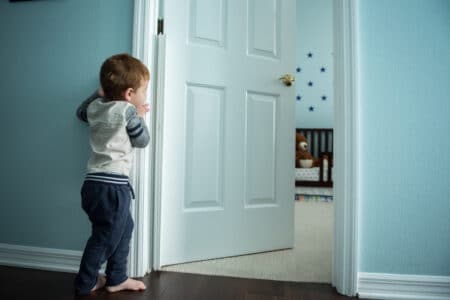
For many families and educators, door safety is a daily worry, particularly when a child is neurodivergent or has special needs. Doors are, by design, fast-moving, heavy, and unpredictable, making them exactly the kind of things that can collide with sensory seeking, impulsivity, limited danger awareness, and high-stress situations.
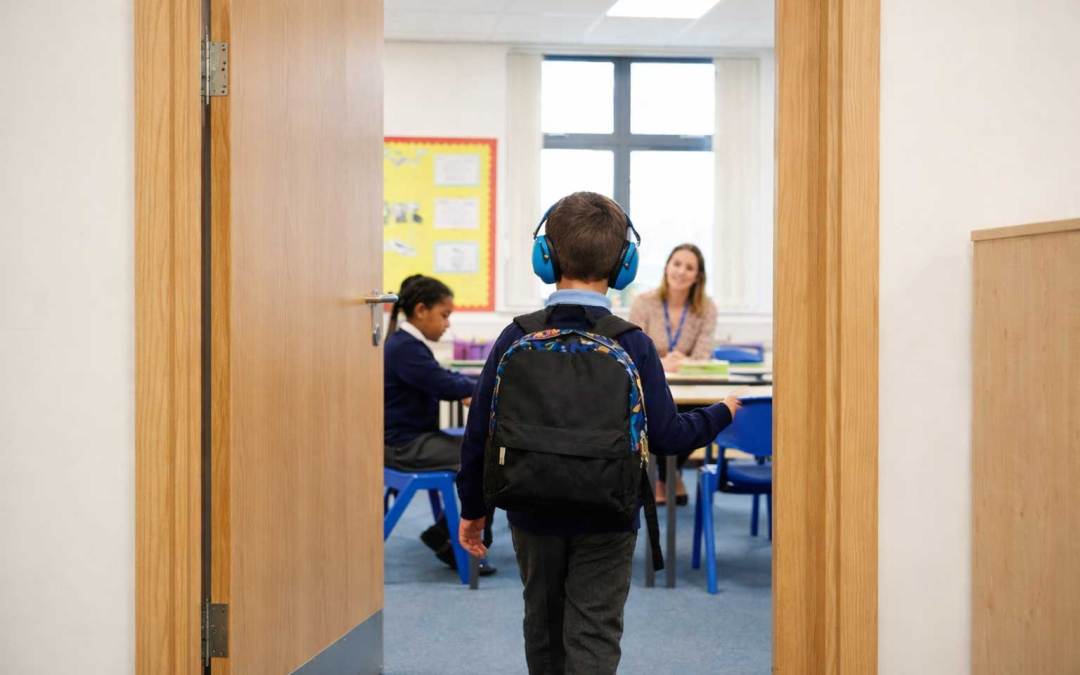
Many neurodivergent students may not reliably respond to verbal reminders, and passive safety is often the most realistic form of protection. The same is true at home, in therapy settings, and in respite care environments, especially where children move quickly or become overwhelmed.
Today, we’ll explore why doors can be uniquely risky for neurodivergent and special needs children, and which practical, low-friction protections can reduce injuries without restricting independence.
Why doors can be a bigger risk for neurodivergent and special needs children
Each child is different, but risk often increases when one or more of the following are present:
Sensory seeking and curiosity around moving parts
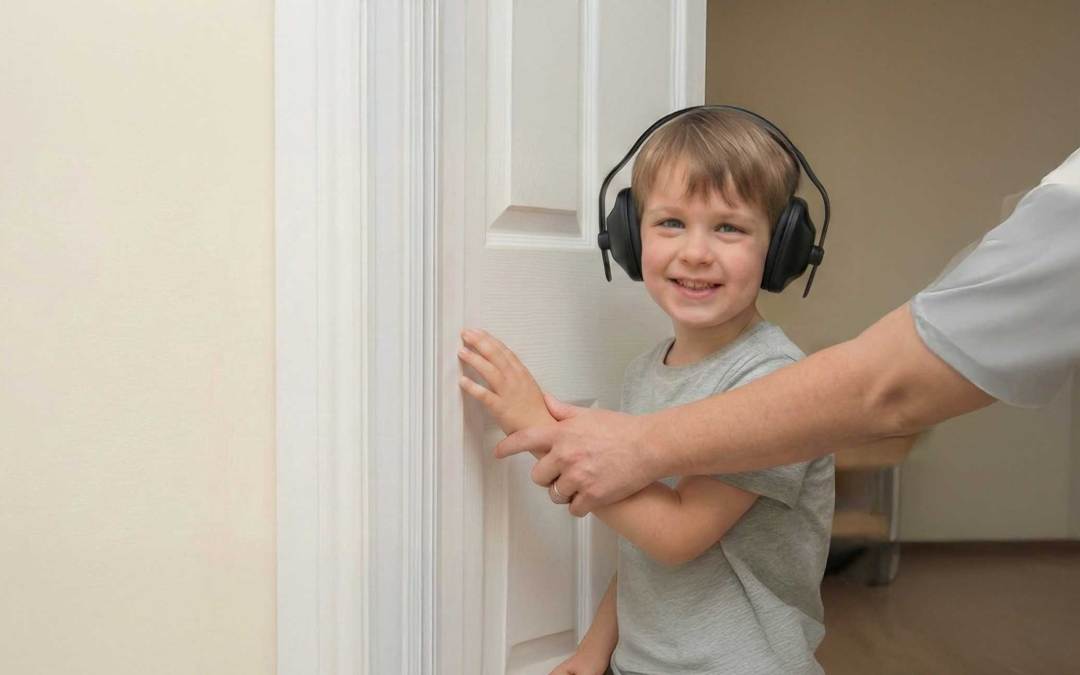
Some neurodivergent or autistic children explore the world through touch and repeated motion. Hinges, latches, and the “accordion gap” created by an opening door can become a point of fascination right where the hazard is greatest.
Impulsivity and fast transitions
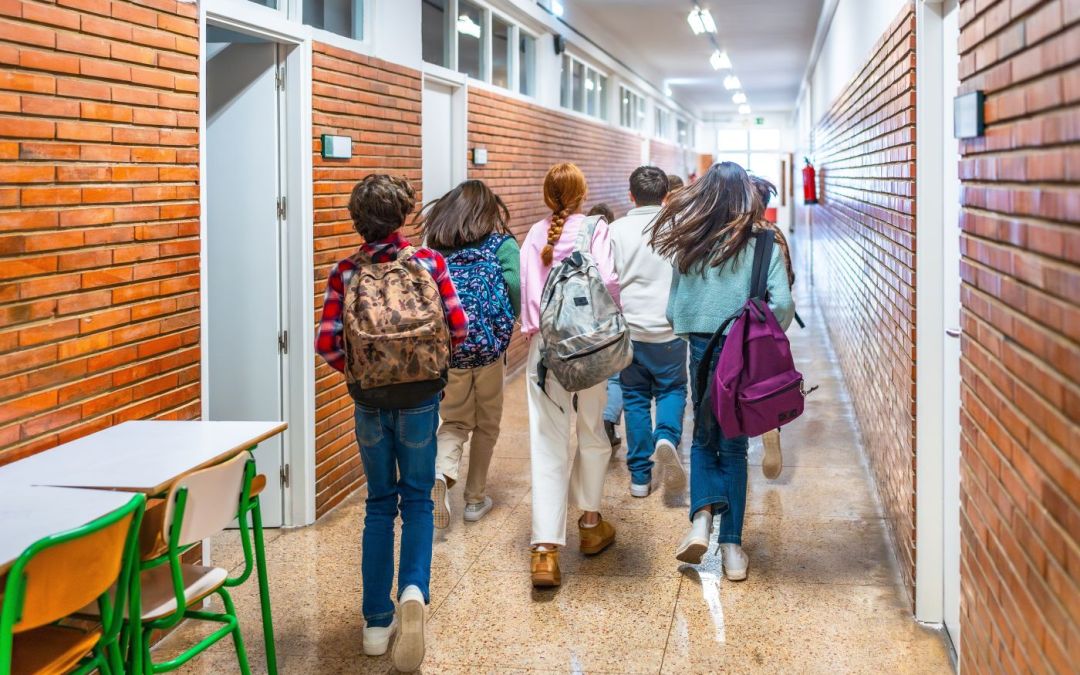
In schools, risk spikes during hallway transitions, bathroom breaks, and busy entry/exit moments when doors are moving constantly and attention is split.
Difficulty processing verbal safety instructions in the moment
Overreliance on reminders can be unreliable, and passive measures can reduce injury risk without placing the burden on constant supervision.
Mobility differences and crowded spaces
Children using mobility aids, needing hands-on support, or moving in groups can end up close to hinge sides more often, especially with heavy doors or self-closing mechanisms.
What “good door safety” looks like: passive protection first
In inclusive environments, the most effective safety upgrades tend to be the ones that:
- do not single anyone out
- do not rely on perfect behavior
- work automatically, every day
That’s why hinge-side finger protection is often the first recommendation.
1) Install door finger guards on priority doors
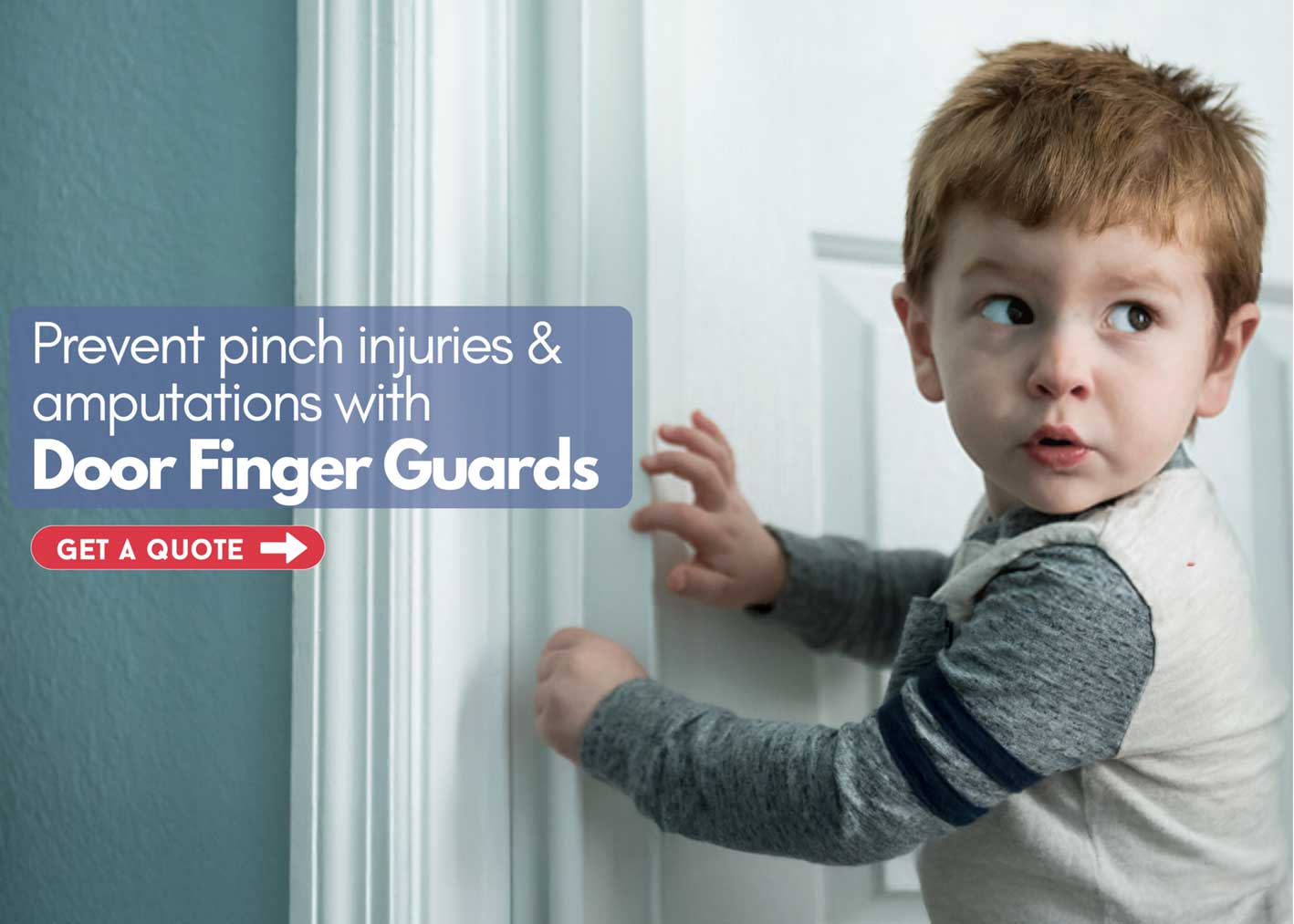
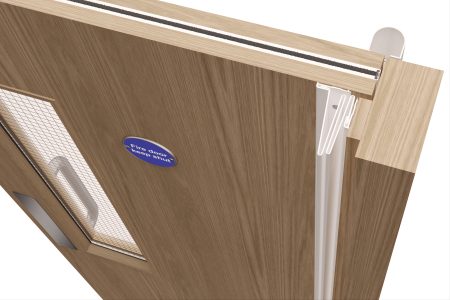
The hinge side is where severe finger trapping happens. Commercial grade finger guards cover the gap created when the door opens and closes, reducing the chance of fingers entering the pinch point.
High-priority doors in schools and care settings include:
- Classroom doors (especially special education rooms)
- Bathrooms
- Fire doors / heavy corridor doors
- Sensory rooms / quiet rooms
- Doors near pick-up and drop-off points
2) Reduce door speed and slamming
When doors slam, the injury risk rises and the stress load rises too. Soft-close mechanisms, properly adjusted door closers, and anti-slam interventions can reduce both safety risk and sensory overload. So, we always recommend reducing slamming/door noise as part of an overall safety approach.
3) Add toe protection for heavy doors where needed
Toe injuries can also happen, particularly with heavy doors and exterior doors. Toe protection can reduce the chance of toes sliding under a moving door.
Home vs school: a quick prioritization guide
In the home
- Start with bedrooms, bathrooms, and high-use interior doors.
- Prioritize doors that are frequently slammed or used during stressful routines.
- Use solutions that preserve independence (children can move freely without constant warnings).
In schools and commercial settings
- Prioritize heavy doors, high-traffic corridors, and self-closing doors.
- Use durable, compliant products designed for commercial environments.
A safety approach that protects dignity as well as fingers
Door safety for neurodivergent and special needs children should not be framed as “fixing behavior.” It’s better framed as adapting environments to protect children realistically.
Passive hinge-side protection helps accomplish that: it reduces risk without turning every transition into a confrontation, and it protects all children without singling anyone out.
For teams or families looking to choose the right door protection setup, Fingersafe USA is here to help.