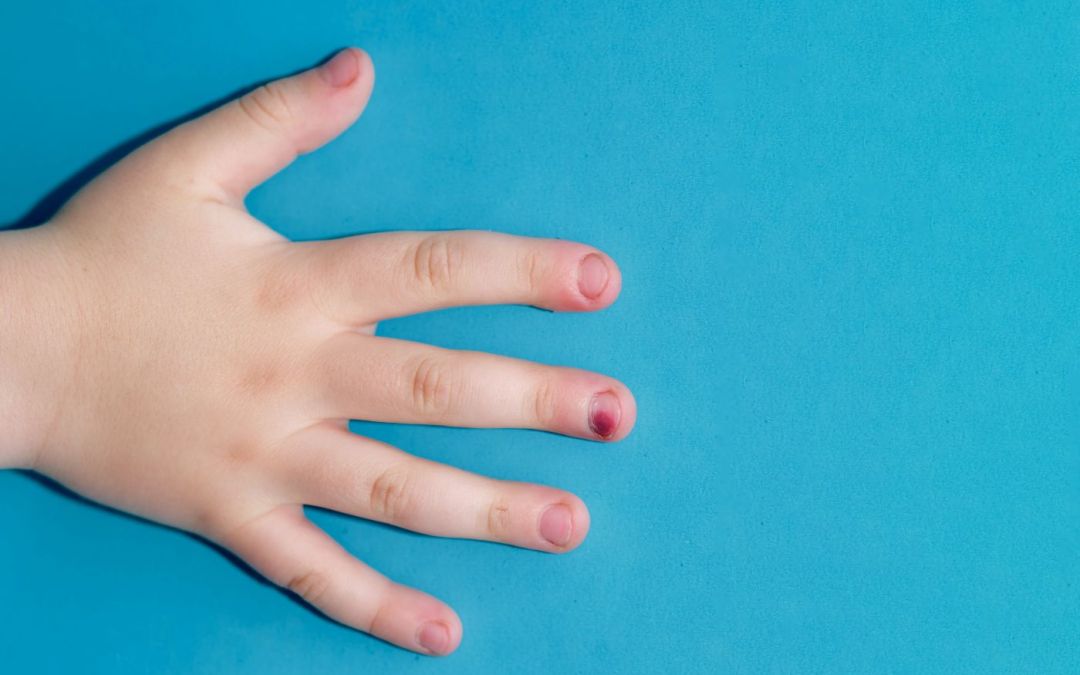
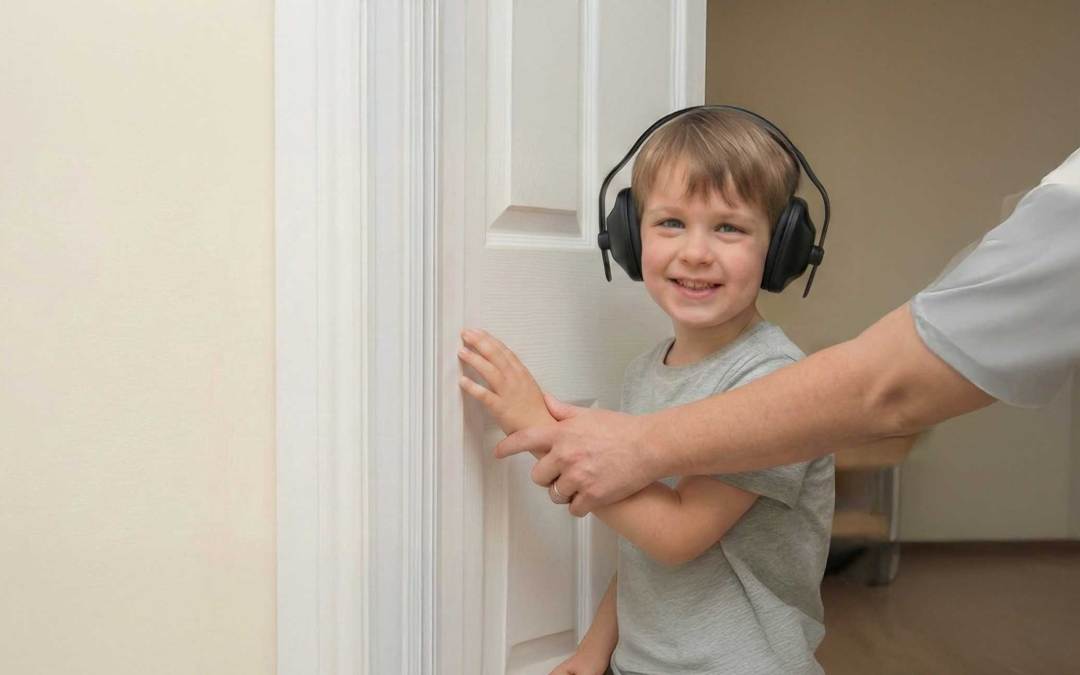
Door-related finger injuries are scary not only because fingertips bleed a surprising amount but because they happen fast. In child-centered settings, the most common scenarios include a finger being shut in the door itself or caught on the hinge side as the door closes, and the results can be devastating.
It is also, sadly, a common injury that is more than just skin deep. It can involve the nail bed, tissues, and even the underlying bone and growth plate.
Today, we’ll aim to offer a clear first-aid checklist for caregivers and staff. This is not a substitute for professional medical care of course, as when in doubt, urgent medical evaluation is the safer choice. It is, however, a useful first step when tragedy strikes.
Step 1: assess quickly and stay calm
The first priority is safety and stabilization:
- Move the child away from the door and into a safe area.
- Check for heavy bleeding, finger deformity, or a fingertip that looks partially or fully amputated.
- Remove rings if swelling is starting (if applicable).
Step 2: control bleeding and protect the finger
For fingertip injuries and amputations, orthopedic guidance recommends cleaning with clean water or saline (if available), covering with a sterile dressing, elevating the hand, and immobilizing if possible.
Practical steps
- Apply gentle pressure with a clean cloth or gauze to control bleeding.
- Cover with a clean dressing or bandage.
- Elevate the hand above heart level to reduce swelling.
Step 3: cold therapy for swelling (when appropriate)
For crush-type injuries, paediatric hospital guidance recommends cooling the area to reduce bleeding and swelling (for example, cold water or an ice pack wrapped in cloth). Note, however, that cold packs should be wrapped as direct ice contact can damage skin.
If a fingertip is amputated: preserve it correctly
This is the scenario that requires the fastest escalation.
First aid guidance recommends:
- Gently cleaning the amputated part with water or sterile saline, if possible
- Wrapping it in moistened gauze
- Placing it in a sealed watertight bag
- Placing that bag on ice in another sealed container/bag
- Avoiding direct contact between the amputated part and ice
When to go to the ER (or call emergency services)
A trip to the emergency room is strongly recommended when any of the following are present:
- Uncontrollable bleeding
- Severe swelling, discoloration, or visible deformity
- Suspected fracture
- Deep laceration or crushed nail bed
- Fingertip partially or fully amputated
- Worsening pain, redness, drainage, or fever in the following days (possible infection)
Nailbed injuries may also require surgical repair, and fractures under a cut may be treated as “open” fractures because of infection risk. This is another reason why immediate evaluation really matters.
First aid helps, but prevention prevents
First aid is essential but actively preventing door injuries is even better, especially in schools, childcare centers, and busy homes.
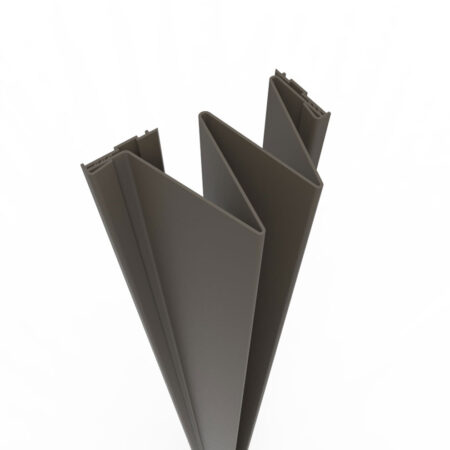
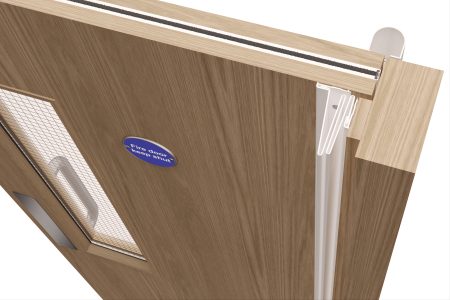
Passive hinge-side protection is designed to reduce the chance of fingers entering the dangerous hinge gap in the first place. Fingersafe USA’s door safety system products are built for that purpose, including options for push-side, pull-side, and full sets.
Contact us today for a no obligation quote or to discuss all available options.