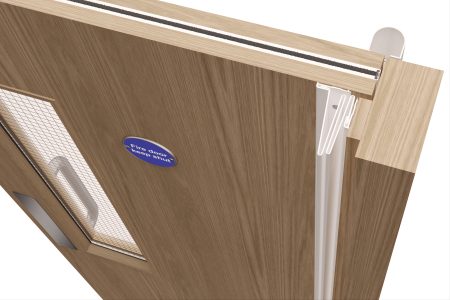
In a world where child safety is a paramount concern, recent incidents of door-related injuries among children have sparked a conversation about effective preventive measures. As a response to this growing issue, FingerSafe, a leading provider of safety solutions, has introduced innovative school door safety devices to protect children from such accidents in. The question that arises: are FingerSafe devices the solution we need to protect our children from door-related injuries?
School door safety devices are designed to prevent finger pinch injuries in classrooms, daycare centers, and educational facilities. These door finger guards for schools create a protective barrier along the hinge side of the door — the most common location for school door pinch protection issues. By installing classroom door finger protection systems, schools and childcare providers can significantly reduce the risk of door-related hand injuries while maintaining normal door function.
Imagine a scenario: a child’s curious exploration leads them to a closing door, resulting in an accidental finger pinch or worse. These unfortunate school incidents are more common than we might think, and they often result in tears, pain, and sometimes even severe injuries. Recognizing this concern, FingerSafe has developed a range of door safety devices that address this issue head-on.
Related: Finger Pinch Protector Guards for Child Care
What Are FingerSafe Devices and How Do They Work?
The keyphrase “FingerSafe devices” encapsulates the company’s commitment to preventing accidents caused by doors, which are especially prevalent in environments where children are present, such as homes, schools, and daycare centers. These devices are ingeniously designed to create a protective barrier between the door and its frame, ensuring that fingers cannot be accidentally caught or pinched during the door-closing process.

Door-related injuries are more common than many school administrators realize. According to a national study published by the National Institutes of Health, an estimated 1,392,451 children under the age of 17 were treated in U.S. emergency departments for door-related injuries between 1999 and 2008 — averaging approximately one injury every four minutes. More than half of these cases involved a finger being pinched in a door, and children aged four and under represented over 40% of injuries.
FingerSafe devices have gained widespread attention due to their potential to significantly reduce the risk of door-related injuries among children. By installing these devices on doors, parents, educators, and caregivers can create a safer environment for young ones to explore without constant worry. The devices are unobtrusive and user-friendly, seamlessly integrating into various door types while maintaining the aesthetic appeal of the space.
Addressing Concerns and Limitations of School Door Safety Devices
However, the implementation of FingerSafe devices has not been without its share of debates and discussions. Some critics argue that while these devices are a step in the right direction, they might inadvertently create a false sense of security, leading adults and children to be less cautious around doors. Moreover, concerns have been raised about potential misuse or improper installation, which could compromise the effectiveness of the devices.
A Holistic Approach to Child Door Safety
As with any safety measure, a comprehensive approach is essential. FingerSafe devices should be viewed as a valuable addition to a larger strategy of child safety awareness and education. Teaching children about the potential dangers of doors and instilling responsible door-handling habits remain crucial components in preventing accidents.
Frequently Asked Questions About School Door Safety Devices
Do schools need door finger guards?
Yes. Door-related finger injuries are one of the most common preventable injuries in schools and daycare environments. Installing school door safety devices significantly reduces this risk.
Where should school door safety devices be installed?
They should be installed on the hinge side of classroom doors, restroom doors, cafeteria entrances, and any heavy-use doors accessible to children.
Are school door pinch protection devices required by code?
Requirements vary by state and facility type. While not always mandatory, many childcare licensing agencies and safety consultants strongly recommend them.
Are door finger guards suitable for commercial school doors?
Yes. Commercial door finger guards are specifically designed for high-traffic environments like schools and daycare facilities.
Final Thoughts: Are FingerSafe Devices Worth It?
In conclusion, FingerSafe devices offer a promising solution to address the issue of door-related injuries among children. The company’s dedication to designing effective and user-friendly safety devices highlights their commitment to child welfare. While these devices can undoubtedly play a pivotal role in reducing accidents, it’s important to remember that they are just one part of a multifaceted approach to child safety. By combining FingerSafe devices with proper education, supervision, and responsible door-handling practices, we can create an environment where children can explore and learn without unnecessary risks.