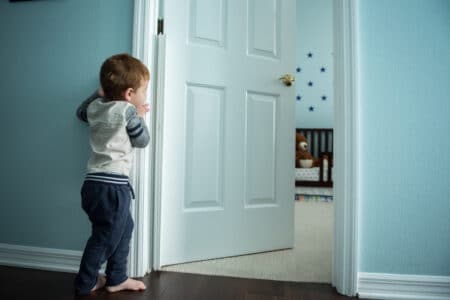
For a neurodivergent child, independence often develops through ordinary moments: entering a classroom, choosing a quiet space, or moving confidently between activities.
Door safety shouldn’t make those moments harder. Yet schools sometimes respond to risk with more warnings, adult intervention, or restrictions. The better goal is to create doorways that work safely in the background, allowing children to move confidently and independently.
Every child is different, so there’s no universal “neurodivergent doorway.” There are, however, practical ways to reduce predictable hazards without turning a normal transition into a test of compliance.
Design around the hazard, not the child
Some neurodivergent children may move quickly, seek sensory input, or struggle to process directions when overwhelmed. Others won’t. A safety plan shouldn’t make assumptions or frame natural differences as behavior that needs fixing.
Instead, start with the physical environment. Is there an exposed hinge gap? Does the door slam? Is the handle difficult to operate? Does the doorway become crowded? Is a child expected to remember several instructions just to pass through safely?
Fingersafe USA’s guide to door safety for neurodivergent and special needs children explains why passive protection can be more reliable than repeated reminders. When the hazard itself is reduced, children don’t have to demonstrate perfect attention or impulse control to stay safe.
Protect pinch points without blocking movement
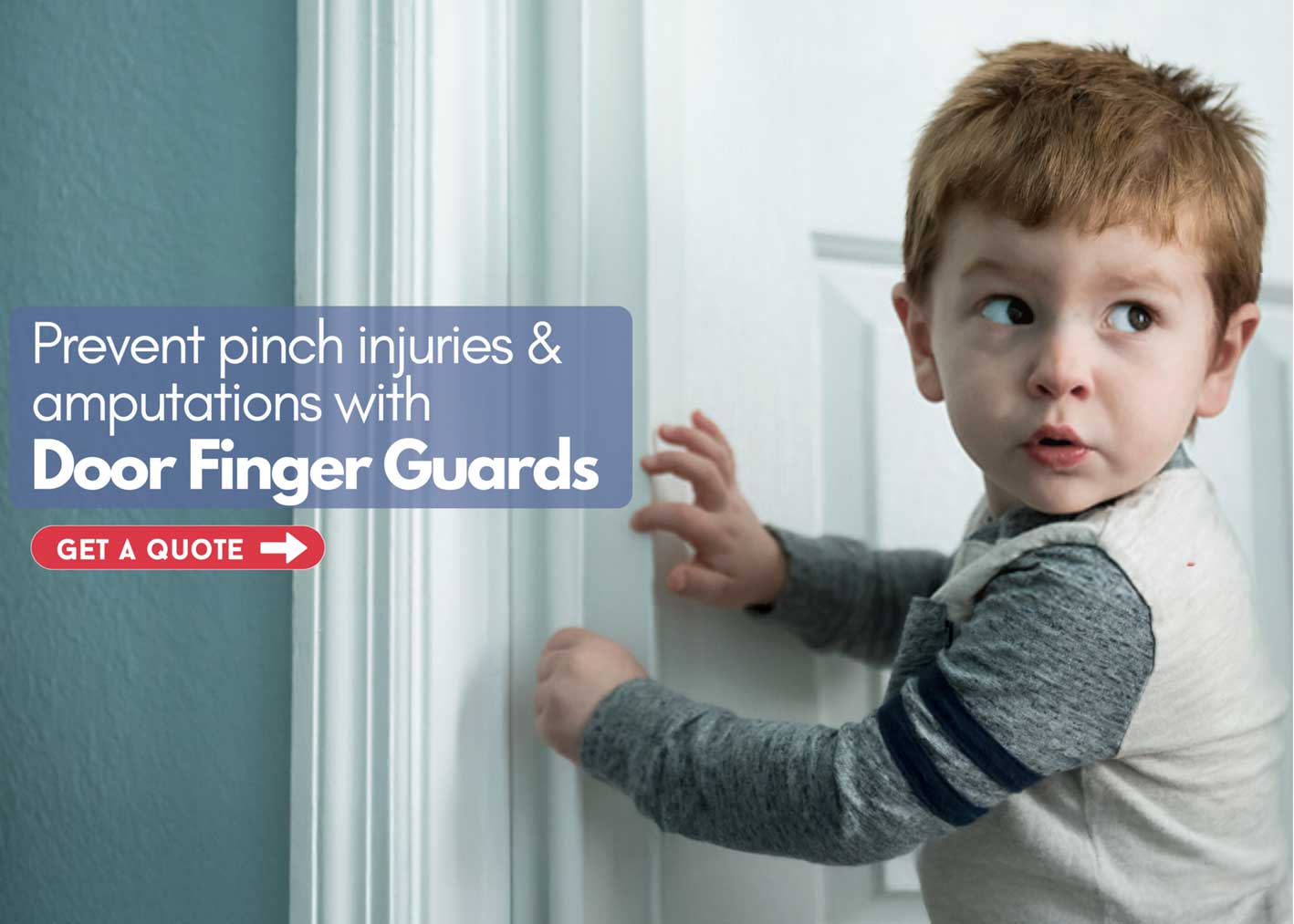
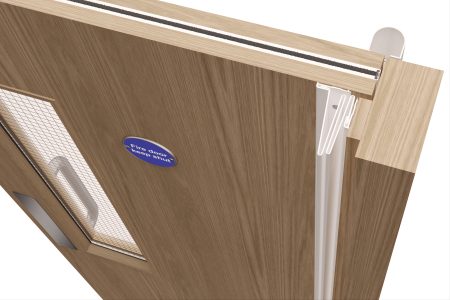
The hinge side of a door creates a wide gap when the door opens. That gap collapses quickly as it closes and can cause a serious crush injury if fingers enter it.
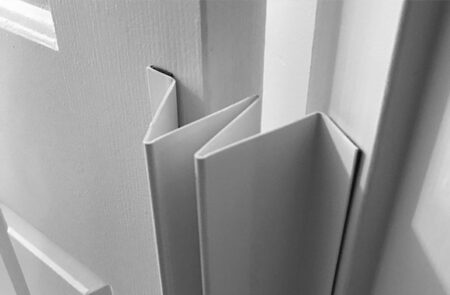
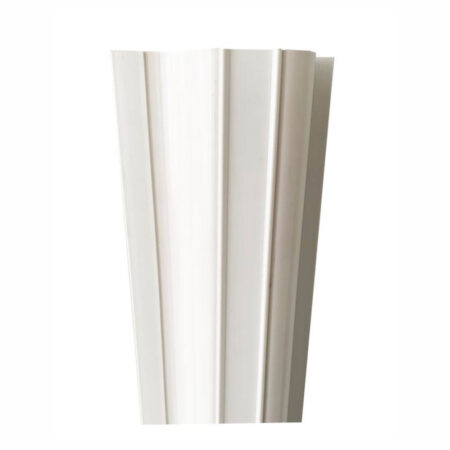
A commercial finger guard covers the gap while allowing normal operation. The child doesn’t need to ask for help, wait for an adult or use another entrance.
That’s useful on classroom, bathroom, sensory-room, and corridor doors, particularly during stressful transitions. A door safety assessment can help schools decide which to address first.
Both accessible sides of the hinge may need protection. Facilities teams should select a guard designed for the door’s construction, opening angle and level of use rather than assuming one product fits every doorway.
Make doors calmer and easier to operate
A safer doorway shouldn’t be unnecessarily heavy, fast or startling. Slamming can increase injury risk and may also make a transition harder for a child who is sensitive to sudden sound.
Door closers should be inspected and adjusted so the door moves predictably without compromising fire safety or security. The U.S. Access Board’s accessibility standards also include requirements for accessible door hardware, opening force, and closing speed. Fire doors have separate requirements, so any changes should be made by a qualified professional with the relevant codes in mind.
Handles matter too. Hardware operated with a loose grip or closed fist is generally easier to use than a mechanism requiring precise finger movements. It also supports children learning to manage doors independently.
Keep the route clear and understandable
Even a well-maintained door can become risky when bags, furniture, or waiting students crowd the opening. Keep maneuvering space clear and avoid positioning activities where children are likely to gather beside the hinge.
Visual cues can show some children which way a door moves or where to stand, but they shouldn’t replace physical protection. A floor marker can be missed. A protected hinge gap keeps working.
Schools should also ask children, families, and relevant specialists what makes a doorway easier to use. One child may benefit from a simple visual cue. Another may need more time to transition. Someone else may find the sound of the latch more difficult than the door itself. Designing with children to the forefront is more respectful and usually more effective than designing around assumptions.
Choose independence by default
Restricting access may sometimes be necessary as part of an individual safety or support plan, but it shouldn’t be the automatic response to every doorway risk. Locked doors, constant escorting, and repeated correction can reduce privacy, dignity, and opportunities to build everyday skills.
Passive changes offer another route. Hinge guards, correctly adjusted closers, accessible handles, and uncluttered thresholds reduce risk without making a child feel watched or singled out.
Schools can explore Fingersafe USA’s commercial push-side and pull-side door protection for high-use educational settings.
The best doorway is one a child barely has to think about. It opens predictably, closes safely, and allows them to get where they’re going. That isn’t independence at the expense of safety. It’s thoughtful safety making greater independence possible.