A finger caught in a door is one of those injuries that happens too quickly for anyone to feel prepared. One second, a child is walking through a classroom, bathroom, hallway, or bedroom doorway and the next, their finger is trapped, crushed, bleeding, or swelling, and everyone is trying to work out how serious it is.
The frustrating thing is that door finger injuries often look like freak accidents, but they’re usually part of a pattern. Doors pinch. Children explore. Hallways get crowded. Adults get distracted. Another child swings the door. A heavy closer does its job a little too aggressively.
So, where do these injuries actually happen, and what can schools, childcare centers, and families do to prevent them?
Scenario 1: Fingers caught on the hinge side
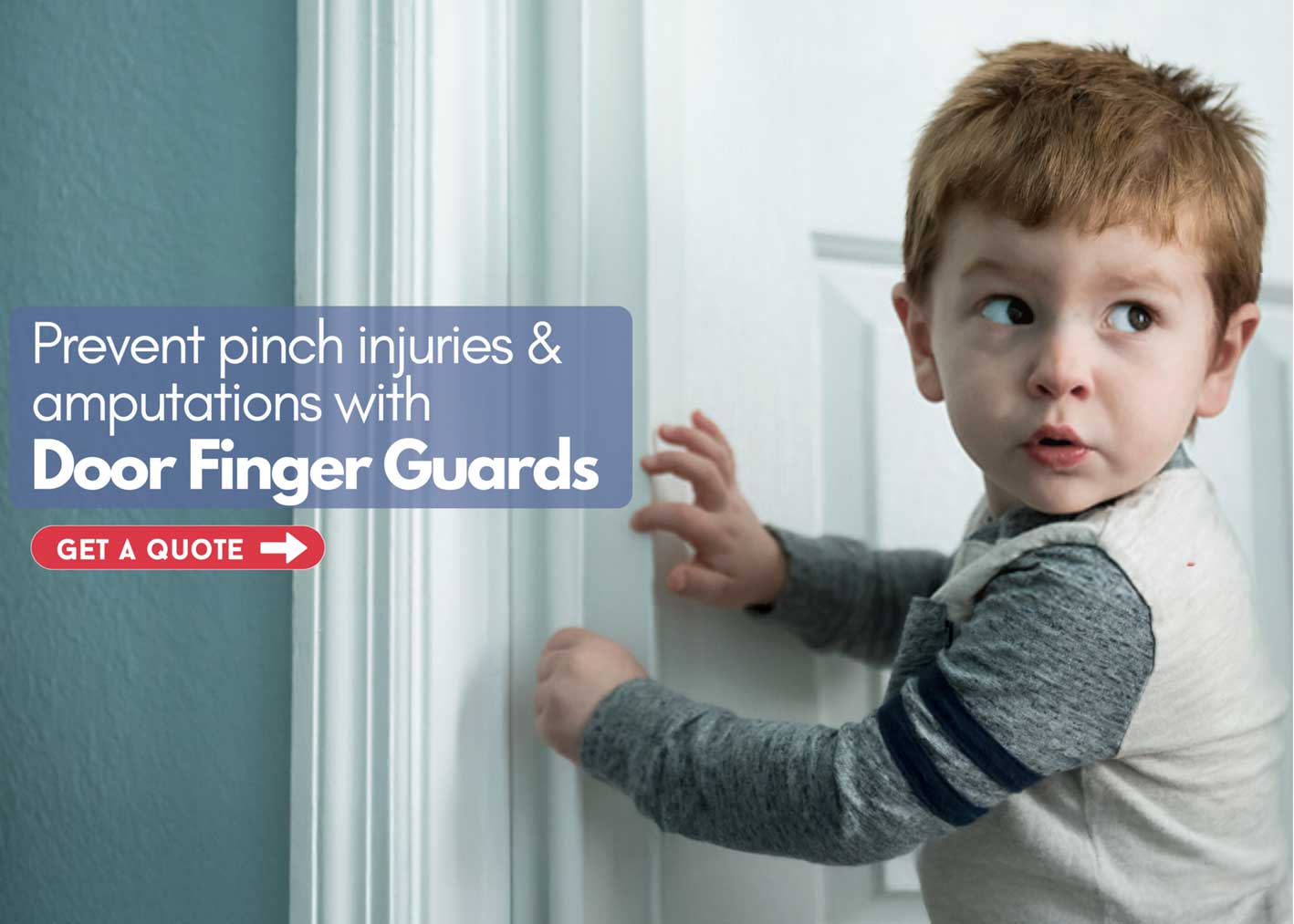
The hinge side is the hidden danger zone. When a door is open, the gap between the door and the frame looks harmless enough. When the door closes, that gap collapses quickly, and any fingers in it can be crushed. This is where many serious door injuries happen. A study of door-slam finger injuries found that fingers were trapped on the hinge side in 57% of patients. It’s easy to see why. Kids hold doors from the wrong side. Younger children explore moving parts. Students cluster at thresholds during school transitions. A child may place their hand near the hinge side to steady themselves, while someone else closes the door without seeing them.
How to prevent it: Protect the hinge side first, especially on high-traffic doors. Hinge-side finger guards reduce access to the gap where fingers get trapped. Fingersafe USA’s Complete Set is designed to protect the hinged end of the door on both the push and pull sides, while still allowing normal door operation.
Scenario 2: Fingers trapped on the closing edge
The closing edge, or latch side, is the part of the door most people notice first. A child rests their fingers on the frame, another person closes the door, and the finger is pinched between the door edge and jamb. This can happen at home, in classrooms, in bathrooms, and around car doors. It’s especially common when children are rushing or playing, or when a door is slammed.
How to prevent it: Slow the door down and change how it’s used. Adjust door closers so doors don’t snap shut. Repair latches that require a hard push. Teach a simple rule: hands off the frame when a door is moving. For homes, soft-close products and careful adult habits can help. For schools, hinge protection still matters, but closer adjustment and transition routines help reduce edge-side injuries too.
Scenario 3: Another child closes the door
Many injuries don’t happen because the injured child slammed the door. They happen because someone else moved it. That’s the school and daycare problem in miniature. One child is waiting near the hinge or frame. Another child pulls or pushes the door. Neither child fully sees the risk. By the time an adult reacts, the injury has happened. This is why “watch your fingers” only gets a building so far. It assumes one child controls the whole situation, which often isn’t true.
How to prevent it: Use passive controls that don’t depend on perfect behavior. Finger guards, smooth closers, and safe doorway routines work even when children move in groups. In classrooms and childcare settings, a simple rule helps: one person controls the door from the safe side, and nobody stands with hands near the hinge or frame.
Scenario 4: Door injuries during school transitions
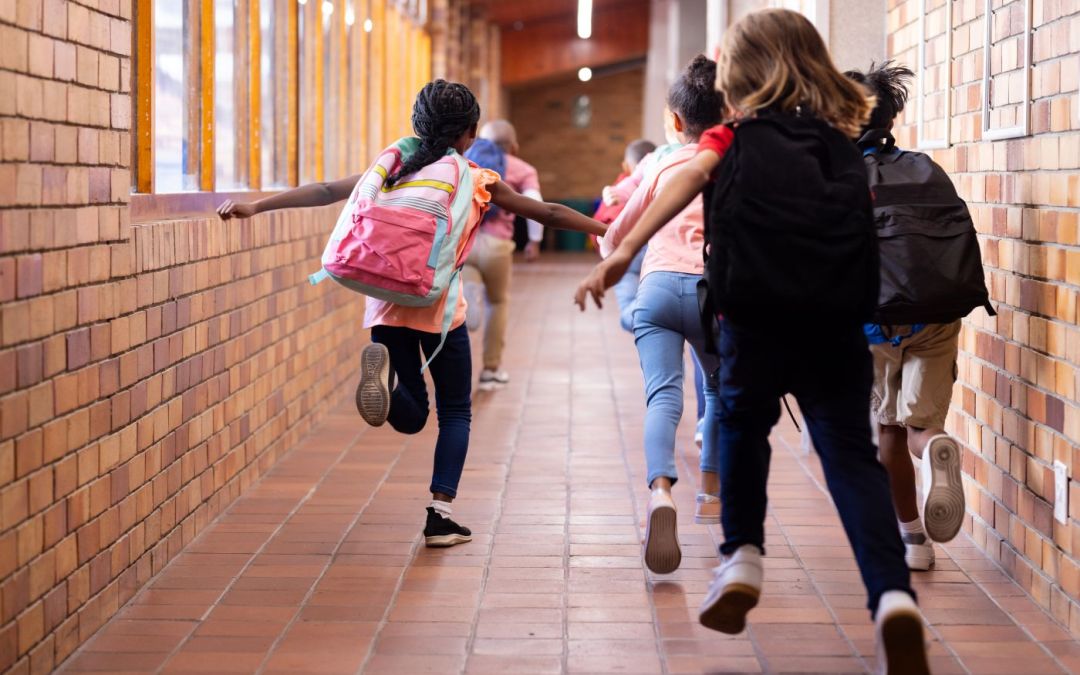
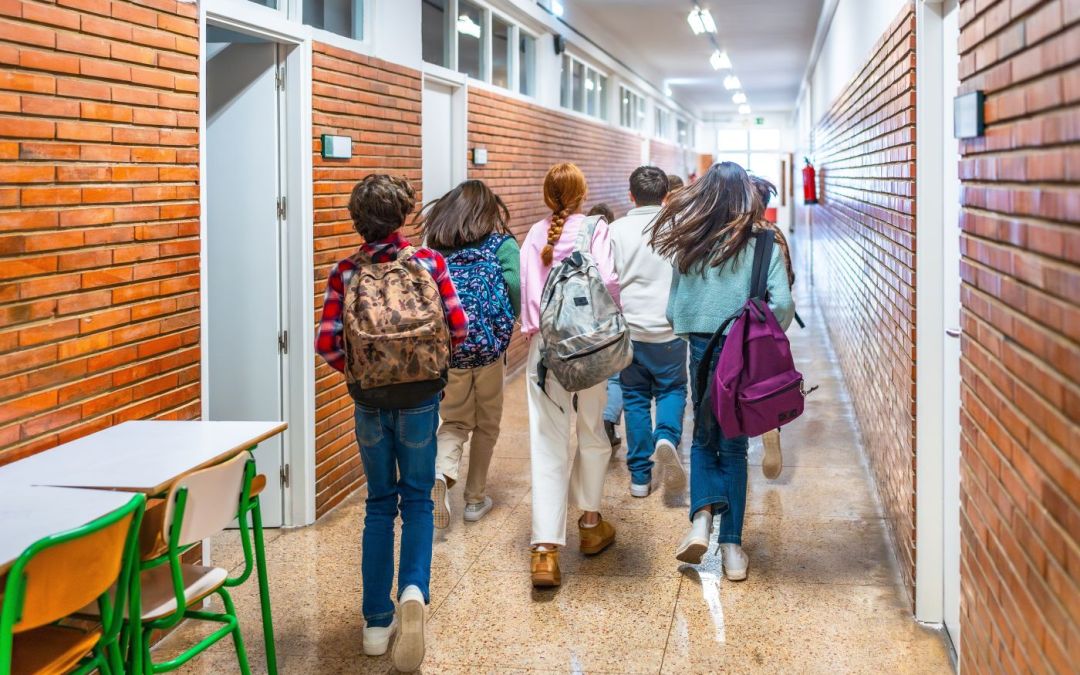
Door injuries spike when movement spikes. Arrival, dismissal, recess, lunch, passing periods, and bathroom breaks all create the same conditions: more door cycles, more crowding, less individual attention. A classroom door that opens ten times in two minutes carries more risk than a door opened once by an adult. Add a heavy door closer or a crowded hallway, and the risk rises again.
How to prevent it: Prioritize the doors students use during rush periods:
- Classroom doors for younger grades
- Bathroom entry doors
- Cafeteria and gym doors
- Playground exits
- Heavy corridor doors
- Doors to special education and sensory rooms
For each one, check the hinge gap, closer speed, latching behavior, and whether students cluster near the frame. The highest-traffic doors should get protection first. Fingersafe’s door safety products include push-side, pull-side, and complete set options, which makes it easier for facilities teams to match the protection to the actual risk.
Scenario 5: Heavy doors and self-closing doors
Heavy doors are common in schools, commercial buildings, childcare centers, clinics, and public spaces. Fire doors and corridor doors often use closers, and those closers are there for good reasons. The problem starts when a door closes too fast, slams, or requires force to latch. A heavy door doesn’t need to be slammed dramatically to injure a child’s finger. It only needs speed, weight, and a finger in the wrong place.
How to prevent it: Treat heavy and self-closing doors as high priority. Facilities teams should:
- Adjust closer speed
- Repair misaligned latches
- Check hinges and frames
- Protect hinge-side gaps
- Avoid propping open doors that are required to close for safety or compliance reasons
The goal isn’t to defeat the door’s purpose. It’s to make sure the door closes safely and predictably.
Scenario 6: Doors in homes, especially bedrooms and bathrooms
Home injuries are common because children spend so much time around familiar doors. Bedrooms, bathrooms, closets, patio doors, and hallway doors all create pinch points. Siblings are often involved, not maliciously, but because one child closes the door while another has a hand in the wrong place.
How to prevent it: Start with the doors children use most. Bedrooms and bathrooms usually come first. Use hinge-side finger protection where children can access the gap, reduce slamming where possible, and make slow door closing a household habit. Parents can also teach siblings to check both sides before closing a door, but again, physical protection is more reliable than reminders alone.
Scenario 7: Special education, sensory, and high-support spaces
Some children are at higher risk around doors because they may not reliably respond to verbal warnings, especially during stress, sensory overload, or transitions. In these settings, door safety shouldn’t depend on constant correction. This doesn’t mean restricting independence. It means adapting the environment so children can move through it more safely.
How to prevent it: Use passive hinge-side protection on doors in special education classrooms, sensory rooms, calm rooms, therapy areas, and support spaces. Also check for slam noise and fast closers, since loud or sudden door movement can increase stress as well as injury risk.
What to do if a finger gets caught in a door
This article is about prevention, but response still matters.
In general, schools and caregivers should:
- Move the child away from the door
- Control bleeding with gentle pressure
- Elevate the hand
- Use a clean dressing
- Seek medical help if there’s severe pain, deformity, deep injury, heavy swelling, or suspected fracture
For a more specific safety resource, Fingersafe USA has a useful guide on finger injuries and first aid.