A school entrance looks very different in October than it does in August. Everyone is wearing thicker coats, backpacks are spilling over with extra clothes and hats, gloves and everything else are dropping to the floor as kids rush to escape the autumnal chill. The...
Who Checks the Doors? Creating a Clear Chain of Responsibility in Schools
Ask five people in a typical school “who’s responsible for checking the doors?” You’ll probably get five perfectly reasonable but incredibly different answers. A teacher might assume it’s the job of the caretaker and that same caretaker might assume it’s the job of...

Returning to School After a Serious Finger Injury: Rebuilding Confidence Around Doors
Returning to school after a serious finger injury can feel like a major step. The bandages may be smaller and the pain may be easing, but the child can still remember exactly how the accident felt. Now every classroom entrance, bathroom door, and noisy hallway can...

Five Door Hardware Faults That Turn an Ordinary Door into a Finger Trap
Most doors don’t become dangerous overnight. They give you warnings first: a soft hiss from the closer, a hinge that’s started to wobble, or a latch that only catches after a firm shove. In a busy school, daycare center, or public building, these quirks can quickly...

School Door Safety Audit: How to Identify High-Risk Doors Before the Next Injury
Don’t audit the building when nothing is happeningA school door can work perfectly from a facilities perspective and still be an accident waiting to happen. It may open, close and latch exactly as intended. Yet if children crowd beside an exposed hinge gap or staff...

Sensory-Friendly Door Safety: Reducing Noise, Slamming and Sudden Movement
A door isn’t only an entrance or exit. It is also a moving object that can creak, bang, rattle, or swing back or forward without warning. Most people barely notice those sounds. For a child who is sensitive to sudden noise or movement, every trip through a doorway can...

Designing Safer Doorways for Neurodivergent Children Without Limiting Independence
For a neurodivergent child, independence often develops through ordinary moments: entering a classroom, choosing a quiet space, or moving confidently between activities. Door safety shouldn’t make those moments harder. Yet schools sometimes respond to risk with more...

When a School Door Injury Becomes a Trust Crisis
A door closes, a finger is trapped, and an ordinary school day becomes an emergency. The injury takes seconds. What follows can last far longer: medical treatment, unanswered questions, investigations, insurance calls and, in some cases, legal action. That’s why a...

Crushed Fingertip or Simple Bruise? Signs a Door Injury May Be More Serious
A finger caught in a door can look surprisingly ordinary at first. There may be tears, redness and swelling, but no obvious sign of what’s happening beneath the skin. Sometimes it’s a minor bruise. In other cases, the nail bed, soft tissue, bone, or growth plate may...

Door Finger Injuries in Daycare: Common Scenarios That Trigger Parent Complaints and Claims
A daycare finger injury can become a parent complaint very quickly. Not because every parent expects a child to come home without a single bump or bruise, but because a crushed finger feels different. It’s painful, visible, frightening, and often hard to explain in a...

Negligence and Door Injuries: What “Foreseeable Risk” Looks Like in Schools and Childcare
Negligence is a legal word but in a school or childcare setting, the practical idea is simple: did the adults responsible for the environment recognize a likely danger and take reasonable steps to reduce it? That question matters with door injuries because they rarely...

School Door Safety and Liability: How to Prove You Took Reasonable Steps Before an Injury Happens
A school door can look harmless right up until it becomes the center of an incident report. One moment, students are moving between classrooms, lining up for recess, heading to lunch, or rushing through a bathroom doorway. The next, a child’s finger is caught in the...

Finger Caught in a Door? The Most Common Injury Scenarios
A finger caught in a door is one of those injuries that happens too quickly for anyone to feel prepared. One second, a child is walking through a classroom, bathroom, hallway, or bedroom doorway and the next, their finger is trapped, crushed, bleeding, or swelling,...

Common Door Injury Myths (and What Actually Prevents Finger Traps)
Myth 1: “If adults are nearby, it won’t happen.” It’s a comforting idea, and it’s wrong. In one study of door-slam finger injuries, an adult was present in 75% of cases. That’s not because adults do not care. It’s because door injuries happen fast. During school...

Door Hinge vs Door Edge Injuries: Which Is More Dangerous?
Most people think the dangerous part of a door is the closing edge, where the latch meets the frame. It makes sense. That’s the side everyone sees moving toward the jamb, and it is usually where parents and teachers tell kids to “watch your fingers.” But in many...
How to Choose a Door Finger Guard: Push Side vs Pull Side, Sizes, and Install Basics
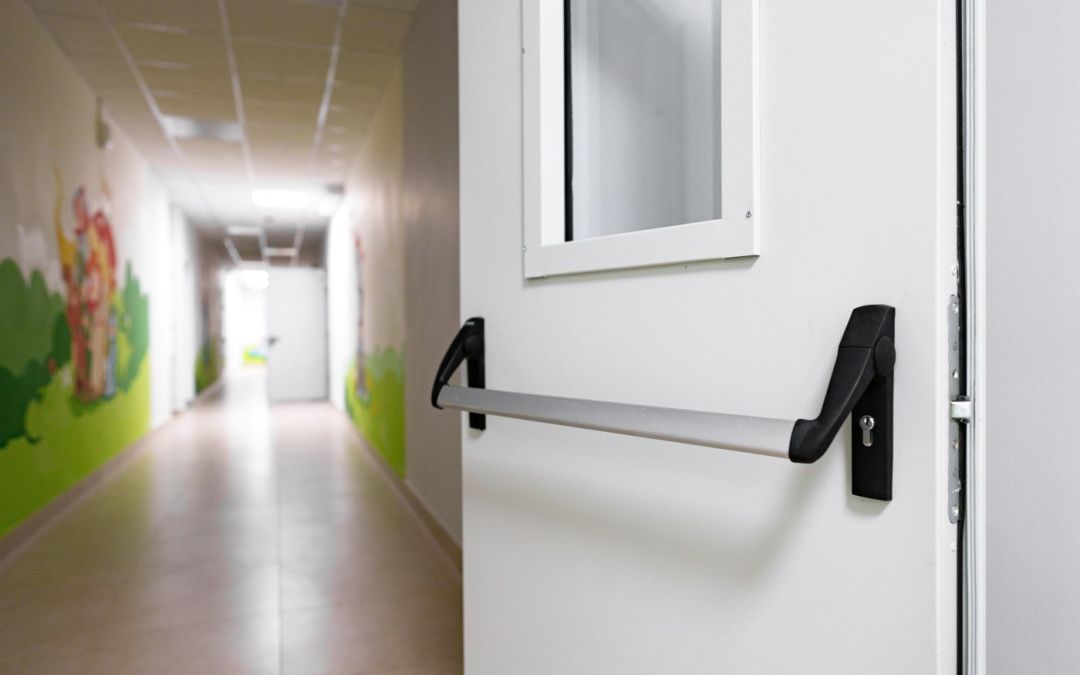
Choosing a door finger guard sounds straightforward until you are standing in front of a busy classroom door trying to answer one simple question: which side actually needs protection? Most selection mistakes come from assuming the latch side is the danger zone. In...

Top 10 Places Kids Get Fingers Caught in Doors
A door finger injury feels like a freak accident until a school or household sees the same incident pattern repeat. A child trails a hand along the frame. Another child swings the door shut. Someone tries to hold a door during a rush. A hinge gap turns into a trap in...

Installing Door Finger Guards: A Simple Guide
A door finger guard install is one of those jobs that looks simple until a school hallway reminds everyone what “high traffic” really means. Done well, hinge-side protection reduces a predictable injury risk without changing how the door works day to day. Done poorly,...

School Door Safety Checklist: Protect High-Risk Doors First
Most school safety problems announce themselves loudly. Door finger injuries do the opposite. They happen in a blink, usually during a transition, and they leave everyone asking how something so ordinary could cause so much pain? It is not a mystery. Kids’ fingertips...

The True Cost of a Door Finger Injury: ER Visits, Lost Time, and Liability Risk
A door finger injury is easy to dismiss as “one of those things” - until it happens on a weekday morning when the building is full, the hallway is loud, and everyone is in motion. One slammed classroom door later, someone is holding a child’s hand in a paper towel, a...

Why Door Injuries Spike During School Transitions
Door injuries rarely happen during quiet classroom time. They spike during the busiest parts of the day: arrival, dismissal, passing periods, recess, and lunch. That’s not because students suddenly become reckless but because transitions between lessons combine speed,...

Classroom Door Safety in 2026: Modern Practices for Everyday Injury Prevention
In 2026, classroom doors are doing more jobs than they used to. They are still the thing students swing through a hundred times a day, usually without thinking. But they are also part of the school’s security plan. More districts are tightening access at entrances,...

Door Injuries: How Schools and Childcare Centers Can Reduce Risk and Liability
In schools and childcare centers, doors are everywhere and most days they’re effectively invisible. Then an injury happens and suddenly that “ordinary” door becomes the dramatic center in a spiral of incident reports, parent meetings, insurance calls, and in some...

Door Safety for Neurodivergent & Special Needs Children: Practical Tips for Home & School
For many families and educators, door safety is a daily worry, particularly when a child is neurodivergent or has special needs. Doors are, by design, fast-moving, heavy, and unpredictable, making them exactly the kind of things that can collide with sensory seeking,...

First Aid for Door-Related Finger Injuries: What to Do Immediately
Door-related finger injuries are scary not only because fingertips bleed a surprising amount but because they happen fast. In child-centered settings, the most common scenarios include a finger being shut in the door itself or caught on the hinge side as the door...
Door Safety for Autistic Children: A Finger Injury Prevention Guide for Homes and Schools
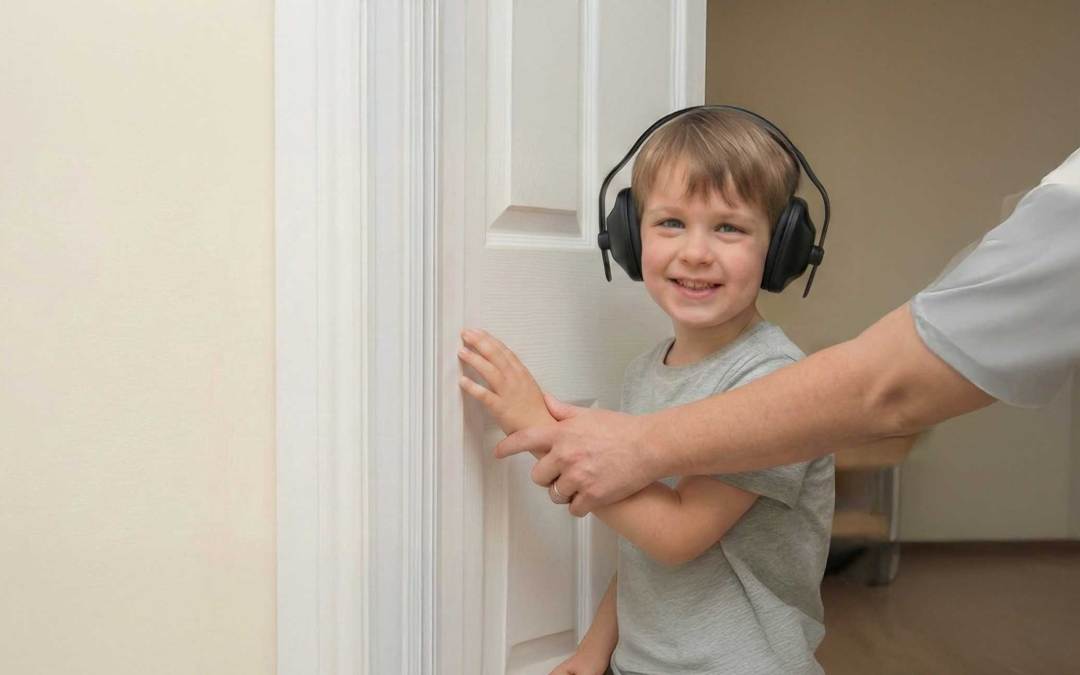
Door safety for autistic children is strongly recommended, given that they are at a higher risk of injury from doors than neurotypical children. Doors are an overlooked danger in general, with an average of 130,000 children sent to the emergency room every year...
Should Schools Install Door Finger Guards for Neurodivergent and Autistic Children?
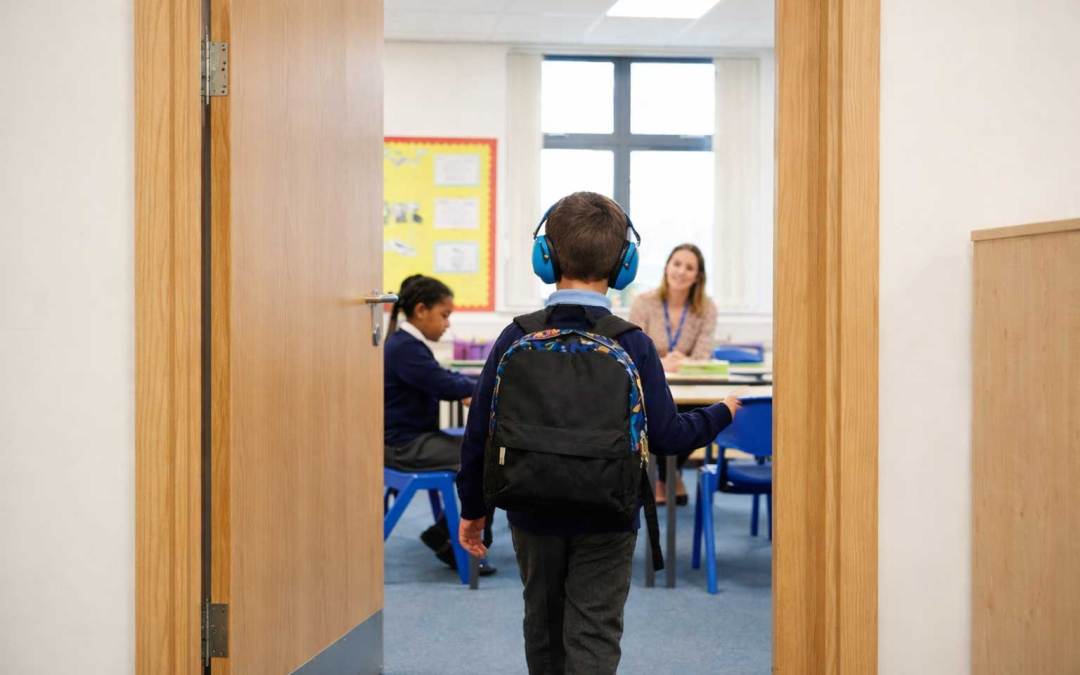
Teachers who are stressed about their students putting their fingers in the door hinges may be especially concerned about neurodiverse and autistic children. Door finger guards for neurodivergent children are a simple, passive way for schools to reduce the risk of...

How do you childproof a bifold door?
Every parent knows the challenges of keeping a home safe for their little ones. As babies start to crawl and toddlers begin to wander, almost every aspect of your home becomes a potential hazard. One often-overlooked feature that can pose risks to children is the...

School Door Safety Devices to Protect Children
In a world where child safety is a paramount concern, recent incidents of door-related injuries among children have sparked a conversation about effective preventive measures. As a response to this growing issue, FingerSafe, a leading provider of safety solutions, has...

The Importance of Health and Safety in Childcare: Ensuring a Secure Environment for Little Ones
As parents, we entrust the care and well-being of our children to childcare providers. It is essential for childcare facilities to prioritize health and safety to create a nurturing environment where little ones can thrive. In this blog post, we will explore the...

How to Prevent Kids from Slamming Doors
As a parent, one of the most frustrating things to deal with is your child repeatedly slamming doors around the house. Not only can it be a source of annoyance, but it can also cause damage to the door and pose a safety hazard to your child's fingers. At Fingersafe,...

6 Innovative Materials for Educational Spaces
The following article looks at 6 of the most innovative materials to use in educational spaces.

Why You Should Buy Finger Guards for Schools
All schools should have finger guards to protect their students. Whether a child is curious or careless, trapping their finger between a door hinge can have devastating consequences.
Is There a Difference Between a Door Pinch Protector and a Finger Guard?
There are so many names for door finger guards that it can be confusing. Customers often call us asking what to call our product. Here are a few examples: Finger guard Finger shield Pinch guard Door protector Door shields Pinch protector for doors What are these...

Child Proof your Doors at Home
Doors are Dangerous! New safety product for Ages 0-4 As a parent you want to do everything you can to prevent a needless injury. Do not overlook protecting the dangerous hinged end of your doors. Installing finger pinch protection devices only takes and few minutes...

Door Safety check for Back to School!
Door Finger Protector Checklist As administration and facility management prepare for another school year a visual inspection of installed door pinch protectors should be on your list. Walk through every entryway your children have access to and note: Are fingerguards...

Finger Injuries and First Aid
If your doors are not equipped with Fingersafe be ready for when an accident may occur…

What Color Door Guards Should I Buy?
Fingersafe is the only finger guard that is virtually unnoticeable at first glance…

First Time Installing Finger Guards?
Anyone with a drill and a box cutter can fully protect the open hinge area on almost any door…